Implementing 100% Manual Visual Inspection (MVI)
Ardena, a leading pharmaceutical CDMO, expanded its capabilities in Ghent with a new sterile fill & finish facility a couple of years ago. This step allowed the company to move beyond non-sterile products and start manufacturing injectable Investigational Medicinal Products (IMPs) for customers worldwide.
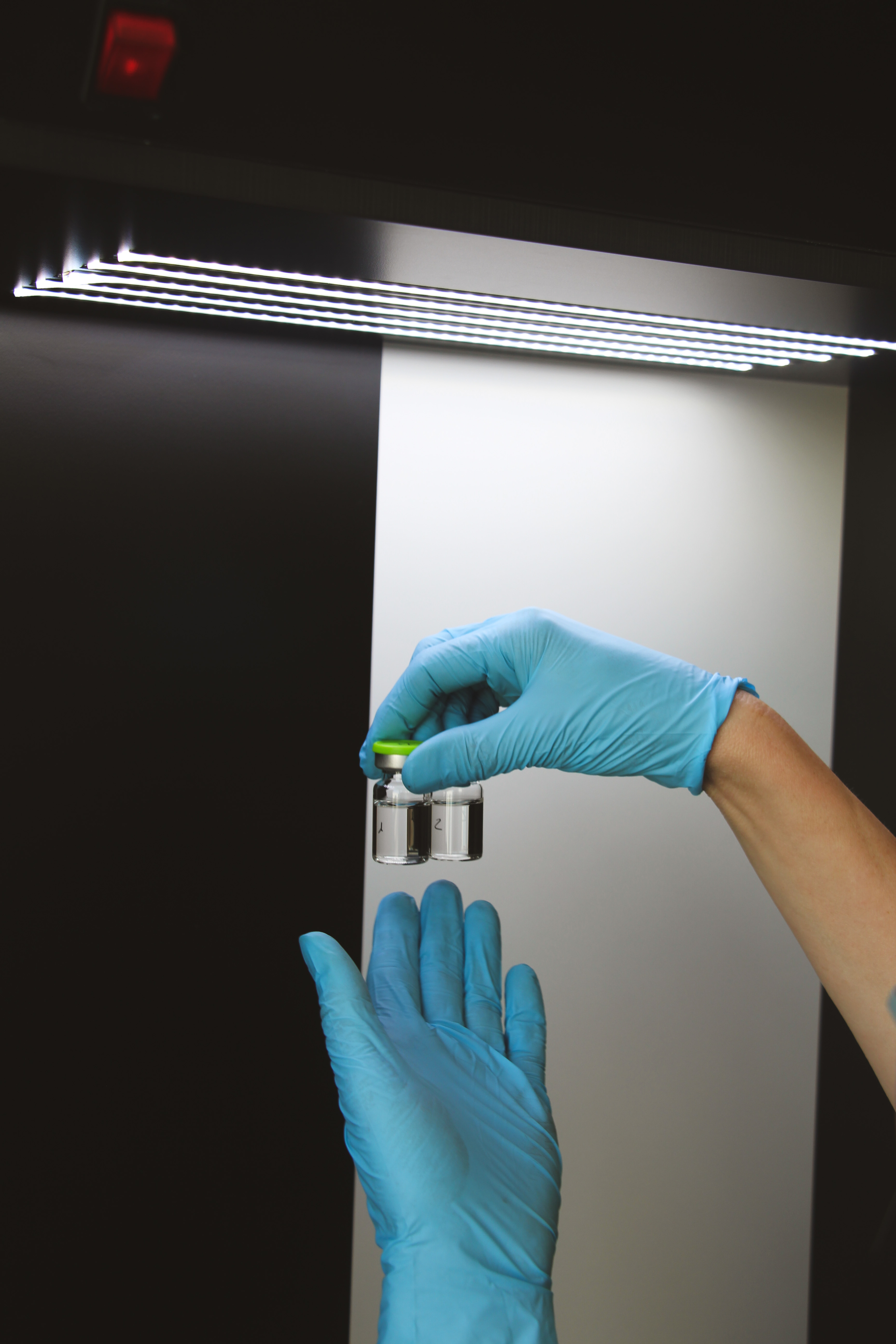
With sterile manufacturing comes a critical requirement: every vial must undergo 100% Manual Visual Inspection (MVI). For Ardena, this meant setting up an entirely new MVI department, without any existing processes, experience, or tools in place.
“Visual inspection is so specific that you can’t just rely on guidelines. You really need hands-on training and expertise.”
— Wannes Deckers, Associate Director Quality & Qualified Person at Ardena.
Challenges faced in building the MVI process
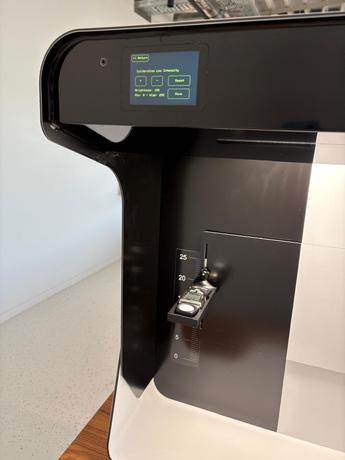
When Ardena launched its sterile facility, the infrastructure and inspection booths were ready, but the foundation for MVI still needed to be built. The challenges were clear:
-
No existing processes: Procedures had to be developed step by step and made compliant with GMP standards.
-
Operator qualification: A new team without prior Manual Visual Inspection experience needed to be trained and qualified.
-
Customized test kits: Test kits were required to represent real-life product defects and support both training and qualification.
In short: Ardena needed to build an MVI process from scratch.
eyetec guides Ardena’s MVI training and processes
To meet these challenges, Ardena partnered with eyetec, specialists in visual inspection processes and training. Compliance Director & QP at eyetec, Bram Keymolen, and his team supported Ardena in three critical areas:
- Process development and compliance feedback
Ardena and eyetec worked closely to draft, review, and fine-tune the MVI procedures. In regular follow-up meetings, eyetec provided detailed feedback, helped identify process gaps, and ensured that every step aligned with regulatory requirements. - Test kits for training and qualification
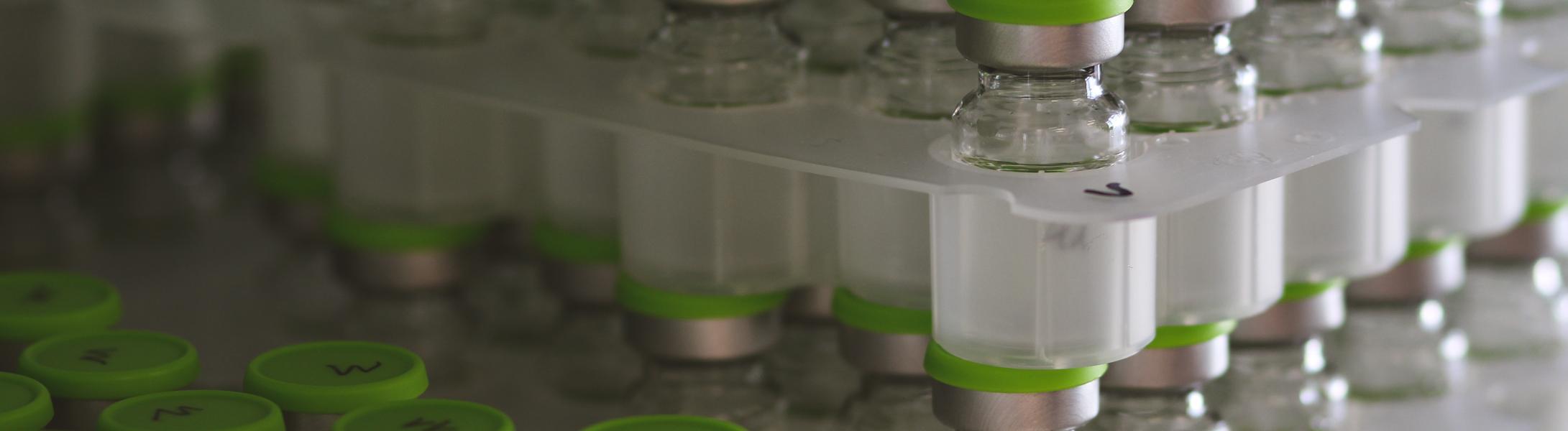
Together, Ardena and eyetec designed customized test kits containing relevant defects to train and qualify operators. These kits are still used to ensure inspectors maintain their skills and to represent actual defect scenarios encountered across the different product types handled at Ardena - On-site training and first practical batch inspection
An eyetec visual inspection expert provided on-site training for Ardena operators and was also present during their first real water batch inspection. This combination of hands-on instruction and practical guidance helped the team gain confidence, develop accuracy, and apply the MVI process effectively from day one.
“With eyetec’s support, we built a system that works. Their feedback and practical guidance were invaluable.”
- Wannes Deckers.
Visual Inspection approach for media-fill (APS) samples
eyetec also supported Ardena in establishing a clear, practical, and GMP-aligned Visual Inspection approach for media-fill samples, also referred to as Aseptic Process Simulation (APS).
During an APS, the product is replaced by a nutrient-rich growth medium. Operators simulate routine aseptic operations to demonstrate that the process can consistently produce sterile units. This simulation is a regulatory requirement for aseptic manufacturing and must be performed several times per year for each shift involved in aseptic activities, as described in EU GMP Annex 1 and FDA aseptic-processing guidance.
“A media fill is not just a procedural check, it is the documented proof that an aseptic process works under real operating conditions. Our role is to help teams translate these regulatory expectations into a clear, workable inspection approach that operators can apply with confidence.”
- Bram Keymolen, Compliance Director at eyetec
Once filled, the samples are:
• incubated at defined temperatures (typically 22–25 °C), and
• assessed after the incubation period to determine whether microbial growth has occurred.
Growth is usually identified through turbidity or, when needed, through a structured visual inspection step. The purpose remains straightforward: confirm the absence of visible signs of growth after incubation.
Results of the collaboration
Thanks to the collaboration with eyetec, Ardena now has a fully operational MVI process:
-
Six inspection workstations are running smoothly.
-
Operators are trained, qualified, and able to perform weekly inspections.
-
Procedures are documented, compliant, and aligned with GMP requirements.
-
The team has developed hands-on skills and confidence in conducting visual inspections according to GMP standards.
The partnership delivered not just compliance, but also peace of mind. Ardena’s QP can now rely on a process that is robust, validated, and ready for regulatory scrutiny.
Feedback from Ardena's team
“eyetec combines deep expertise with a personal approach. Bram was directly involved, and every call was tailored to our needs. From process advice to test kits and training, they offered the complete package. We would definitely recommend them.”
— Wannes Deckers.
Looking to start or optimize your MVI process?
Let our specialists help you design a compliant, efficient MVI system from day one.