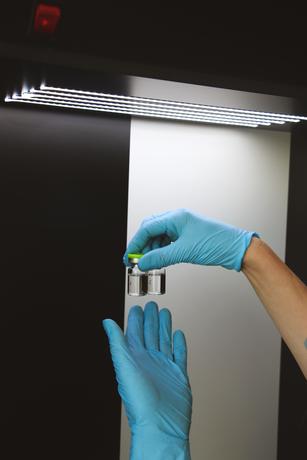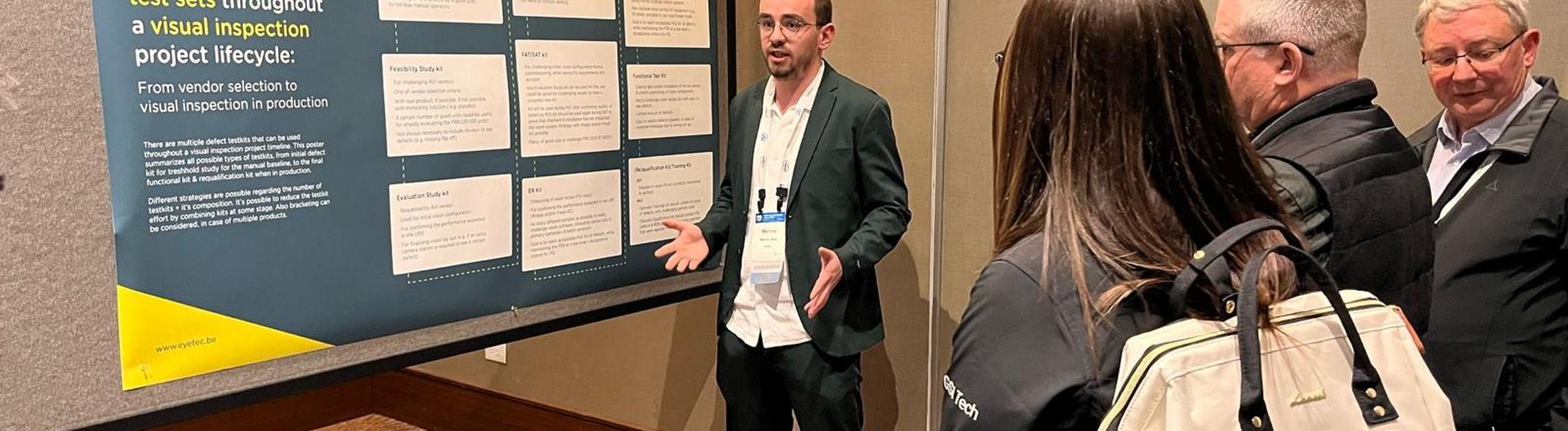
Implementing new equipment in a GMP environment takes more than choosing the right machine.
A site may need new equipment, automation or process support to improve operations in a GMP environment. What starts as a technical request, followed by a business case evaluation, soon involves technical deep dives with vendors, quotation negotiations, timeline follow-up, action tracking, qualification activities and stakeholder management.
That is where Menno, brings value.
He combines project management with process engineering. His role is to help pharmaceutical teams move from an equipment need to a qualified solution that can move towards production use.
From equipment need to practical solution
Menno often joins projects early.
He helps clarify what the site needs, which requirements are critical and which parts need global or local alignment. He then supports technical scouting by identifying possible machine builders and assessing their solutions from a technical, operational and GMP perspective.
This can include RFI, RFP and RFQ support, vendor quotation review, feasibility testing procedures/witnessing, purchase order follow-up and preparation for internal and external vendor kick-off meetings.

Project management with technical insight
For Menno, project management is not only about planning.
It also means understanding the equipment, asking the right questions and identifying risks before they cause delays.
“My role is to keep the technical and project side connected,” Menno explains. “That means joining technical meetings, following up action lists, reviewing documents, supporting risk assessments, visiting vendors when needed and coordinating with the different teams involved. All of this, while keeping Stakeholders in the loop. ”
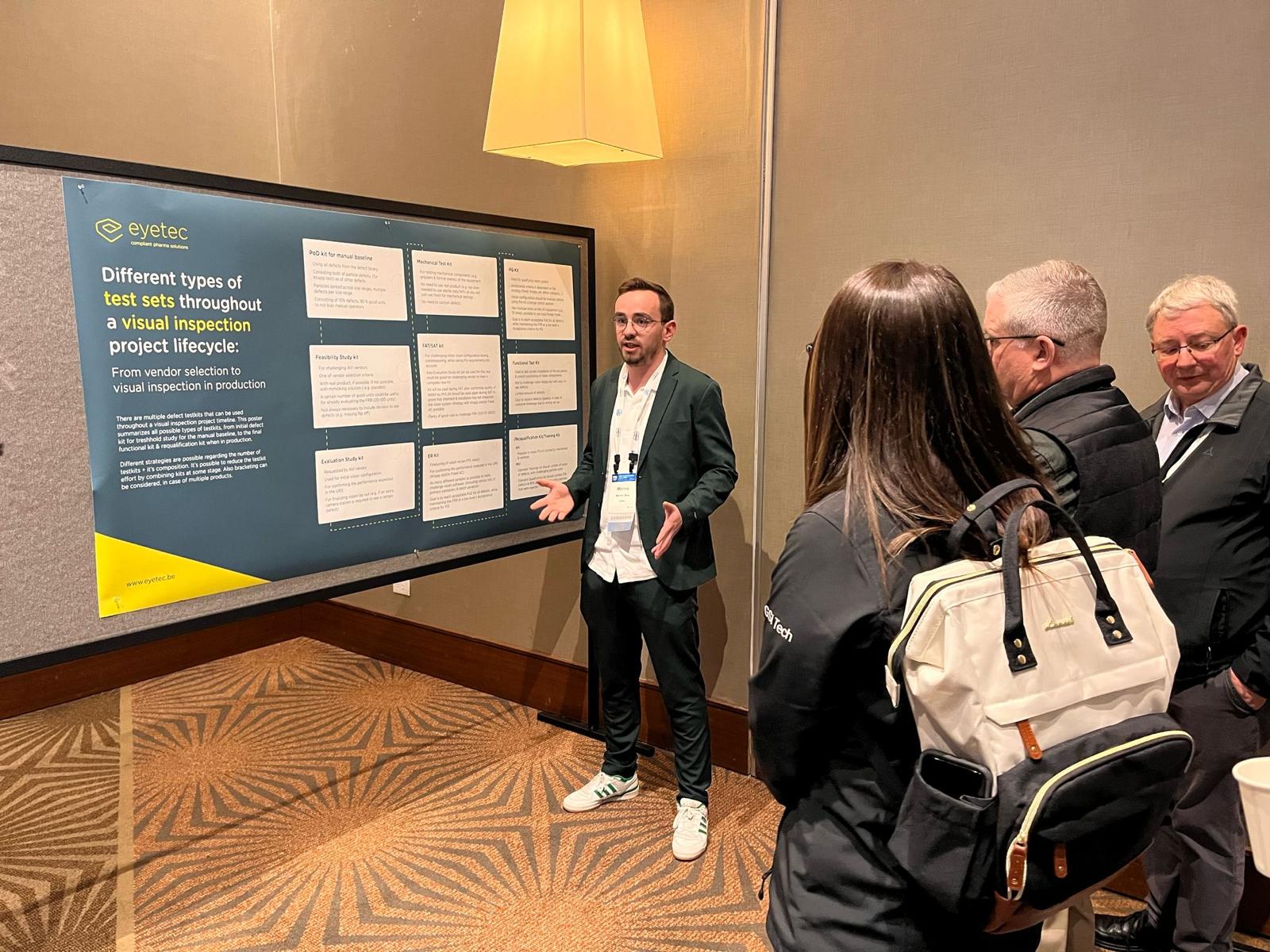
This is where eyetec’s strength becomes clear: we combine production, engineering and compliance expertise in one practical approach.
From vendor selection to qualification
Once a vendor has been selected, Menno helps keep the project moving.
He supports vendor coordination, project follow-up, FAT and SAT preparation, and the transition into qualification. Together with eyetec validation engineers, he can support IQ, OQ, PQ, PPQ or process validation activities, depending on the project scope.
“The goal is to keep every step clear,” Menno says. “From the first technical concept to production use, the process needs to stay controlled, documented and practical.”
Working across sites and time zones
Many pharmaceutical companies work globally. A decision at one site can influence equipment choices, documentation standards or qualification approaches elsewhere.
Menno supports this alignment by coordinating with teams across sites and time zones. That means adapting to last-minute requests, keeping stakeholders informed and making sure actions are followed up clearly.
For customers, this reduces complexity. They work with a partner who understands both the project structure and the technical reality behind it.

What makes the role rewarding?
For Menno, the variety makes the job enjoyable.
Plans change. Technical challenges appear. New questions come up during vendor meetings or qualification preparation.
“What I enjoy is that it is never only planning,” Menno says. “You also dive into the technical side. You follow up actions, but you also think along with the team to find practical solutions.”
Practical support for GMP-critical projects
Pharma equipment projects need clear requirements, risk-based decisions, documented testing and alignment between all teams involved.
Menno helps customers keep these connections visible from the first technical discussions to qualification and production readiness.
Need support with a pharma equipment project? Talk to eyetec about practical support for visual inspection, CCIT, qualification engineering and GMP-critical equipment projects.