Learn how to avoid costly delays, false rejects and validation issues based on 50+ AVI implementations.
Automated Visual Inspection projects often run into delays long before validation or routine production begins.
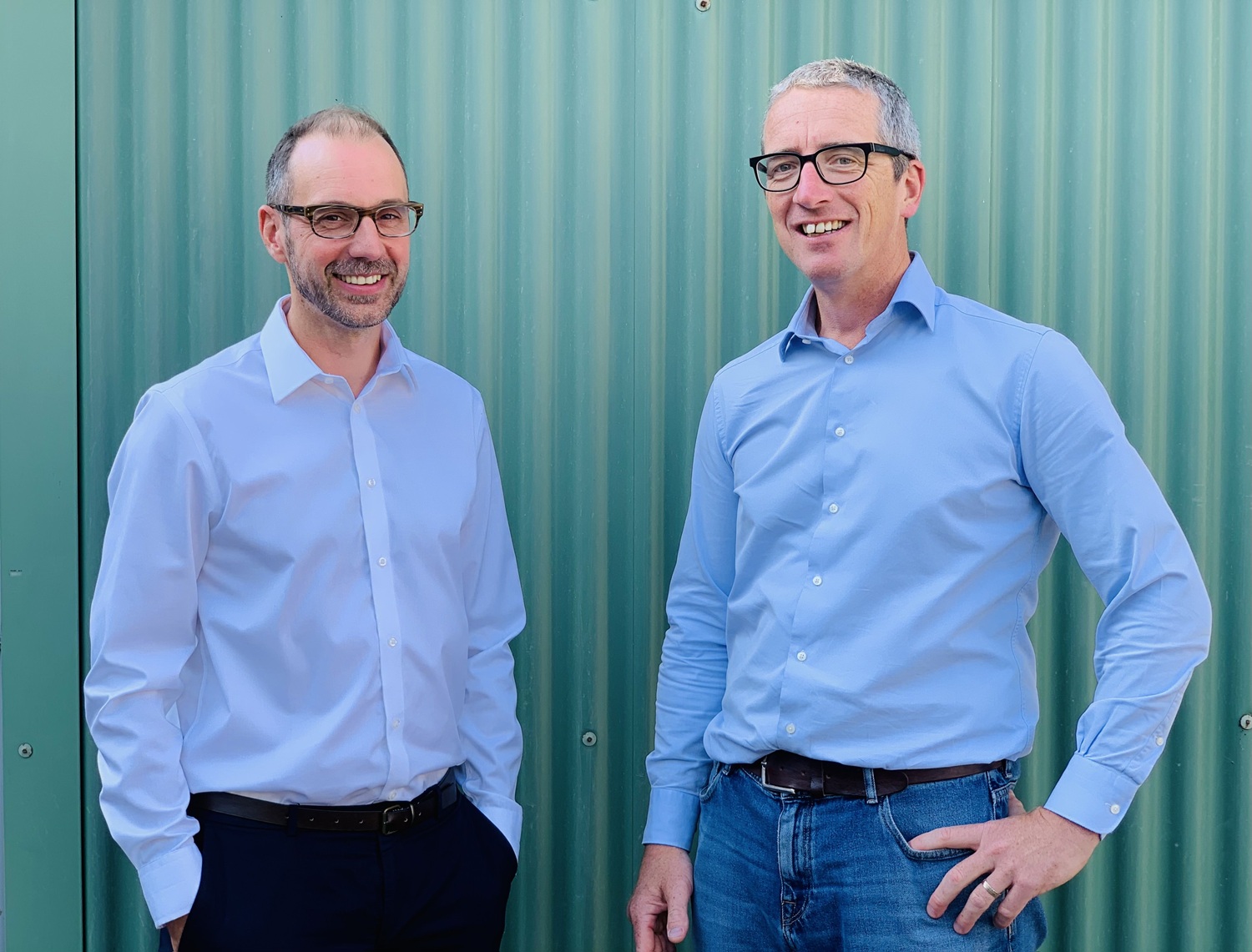
In this live webinar, Bram Keymolen and Gunther Coenen from eyetec share practical lessons from 50+ AVI implementation projects. They will explain which early mistakes most often lead to costly rework, project delays, failed or repeated testing, high false reject rates and validation challenges, and which additional milestones help teams implement AVI more smoothly and in line with regulatory expectations.
Duration: 45 minutes + live Q&A
What you will learn
Success is shaped at the start of the project
AVI is not a standard equipment project. The decisions made before vendor selection, FAT, PQ or routine production have a direct impact on the final outcome.
During this webinar, you will learn why early project decisions matter and how to avoid the mistakes that create delays later.
1. Why defect classification and PSRA matter
Poor defect classification creates confusion throughout the project. It can affect risk priorities, test set development, recipe optimisation, qualification strategy and false reject rates.
You will learn why defect classification and PSRA should be addressed early, before the project becomes difficult to steer.
2. Why MVI is the baseline for AVI
MVI data is one of the most important foundations for a successful AVI implementation.
Without sufficient MVI and PoD data, it becomes difficult to define realistic acceptance criteria, assess AVI performance and defend validation decisions.
You will learn why the MVI process itself should be checked before it is used as the baseline for AVI.
3. Why product understanding is critical
AVI performance depends on more than the machine.
Product characteristics, container variability, defect behaviour and process knowledge all influence what the system can detect and how robust the final recipe will be.
You will learn why teams need to understand what to expect from the product before key implementation decisions are made.
4. Why shortcuts in feasibility testing do not save time
Skipping or reducing feasibility testing may look efficient early in the project, but often creates expensive changes later.
Feasibility studies help define the right camera setup, lighting, machine configuration, defect strategy and technical expectations before implementation accelerates.
You will learn how feasibility testing helps prevent late technical surprises.
5. Why engineering runs are essential before routine production
An AVI line can pass important project milestones and still create issues during PQ or routine production.
Vision engineering runs help reduce false rejects, improve recipe robustness and identify performance risks before they become production problems.
You will learn why taking shortcuts on engineering runs rarely saves time and often causes delays later
Who should attend?
This webinar is intended for professionals involved in the implementation, qualification, validation or operation of Automated Visual Inspection systems.
Whether you are planning your first AVI project or preparing for a new product introduction, this webinar will help you avoid common pitfalls and make better project decisions from the start.